Fallout Zones
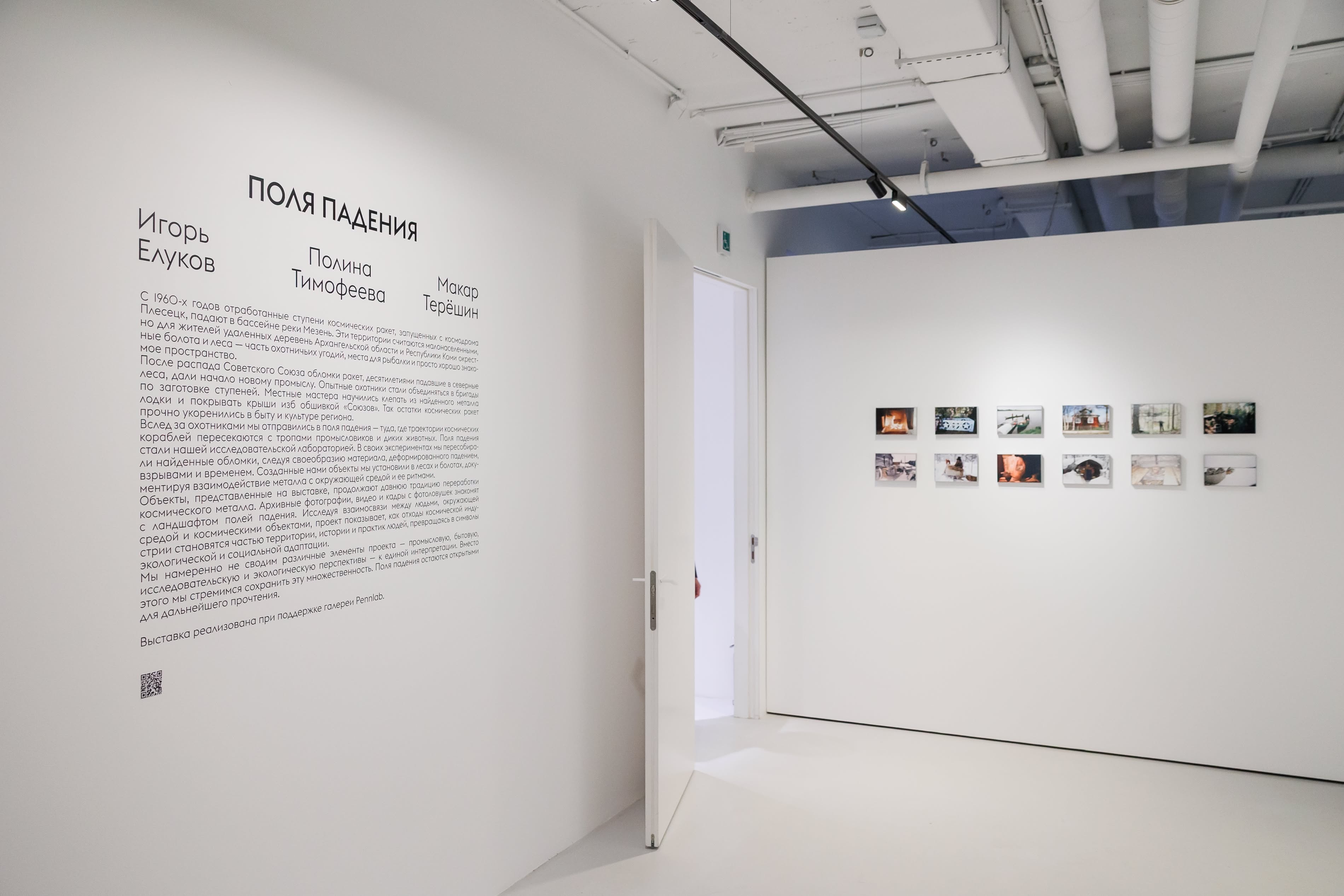
As part of its annual grant programme the Ruarts Foundation presents ‘Fallout Zones’, a multi-part project by contemporary artists Igor Elukov and Polina Timofeeva, with the anthropologist Makar Tereshin. Combining artistic research, anthropology and field-based documentation, the exhibition explores how space industry debris becomes a component of people’s landscape, history and practices, transforming into symbols of ecological and social adaptation.
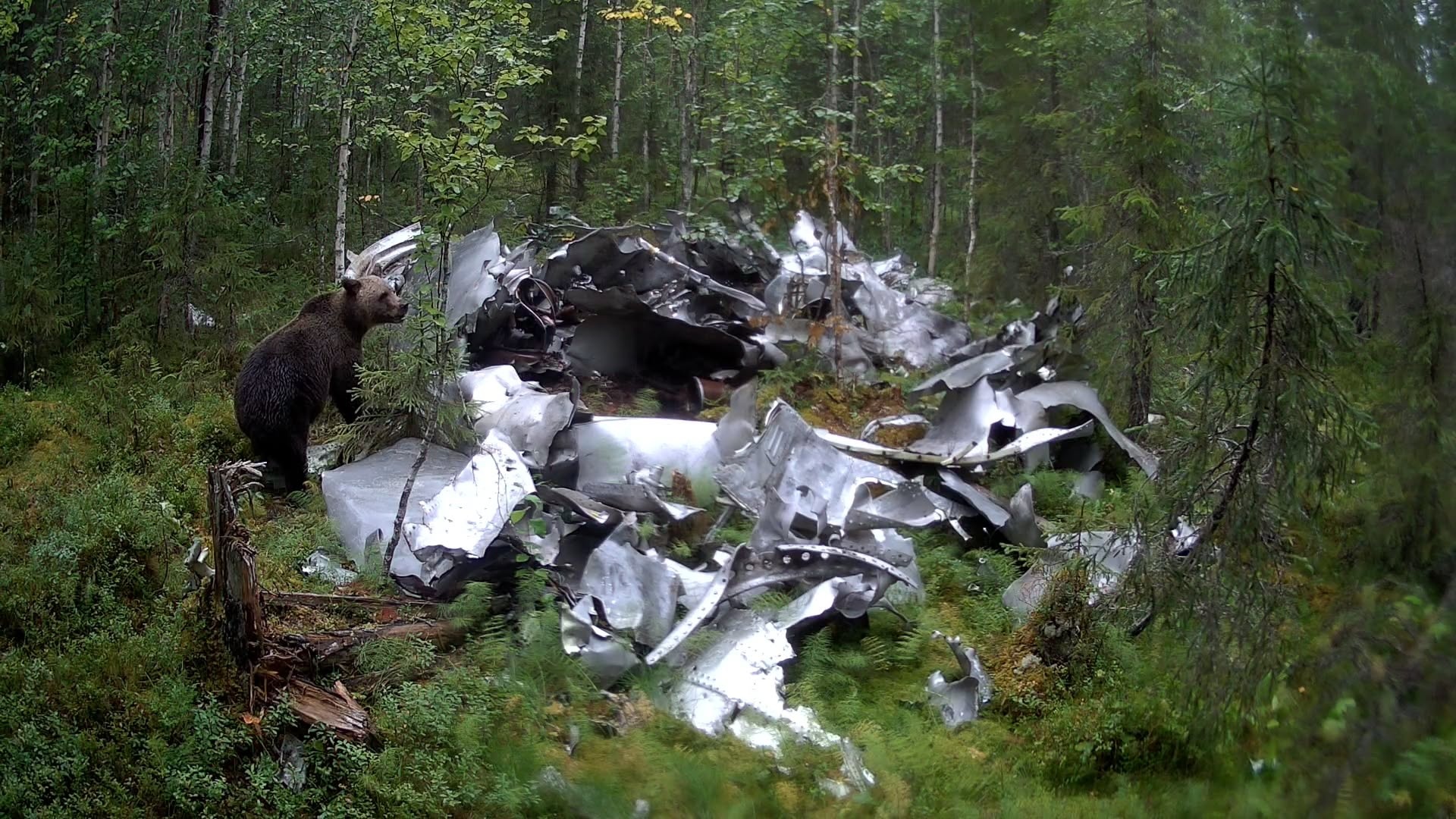
Since the 1960s spent rocket stages launched from the Plesetsk Cosmodrome have fallen into the Mezen River basin. While officially designated as sparsely populated drop zones, these areas are not empty spaces on the map to the residents of remote villages in the Arkhangelsk Region or the Komi Republic. They are forests and swamps where people hunt and fish, well-known routes, and a territory they regard as ‘their own’. After the collapse of the Soviet Union, the rocket fragments that had been falling into northern forests for decades provided a whole new industry. Local hunters left without a steady income, or the state support on which they once relied, formed teams to salvage the fallen stages for scrap metal. Over time this space debris became deeply embedded in the region’s culture. Local people repurposed spacecraft fragments into flat-bottomed ‘rocket’ boats, snowmobile sledges, roofs, fences and gutters; fuel tubes were converted into moonshine stills, and almost every detail found a practical household use.
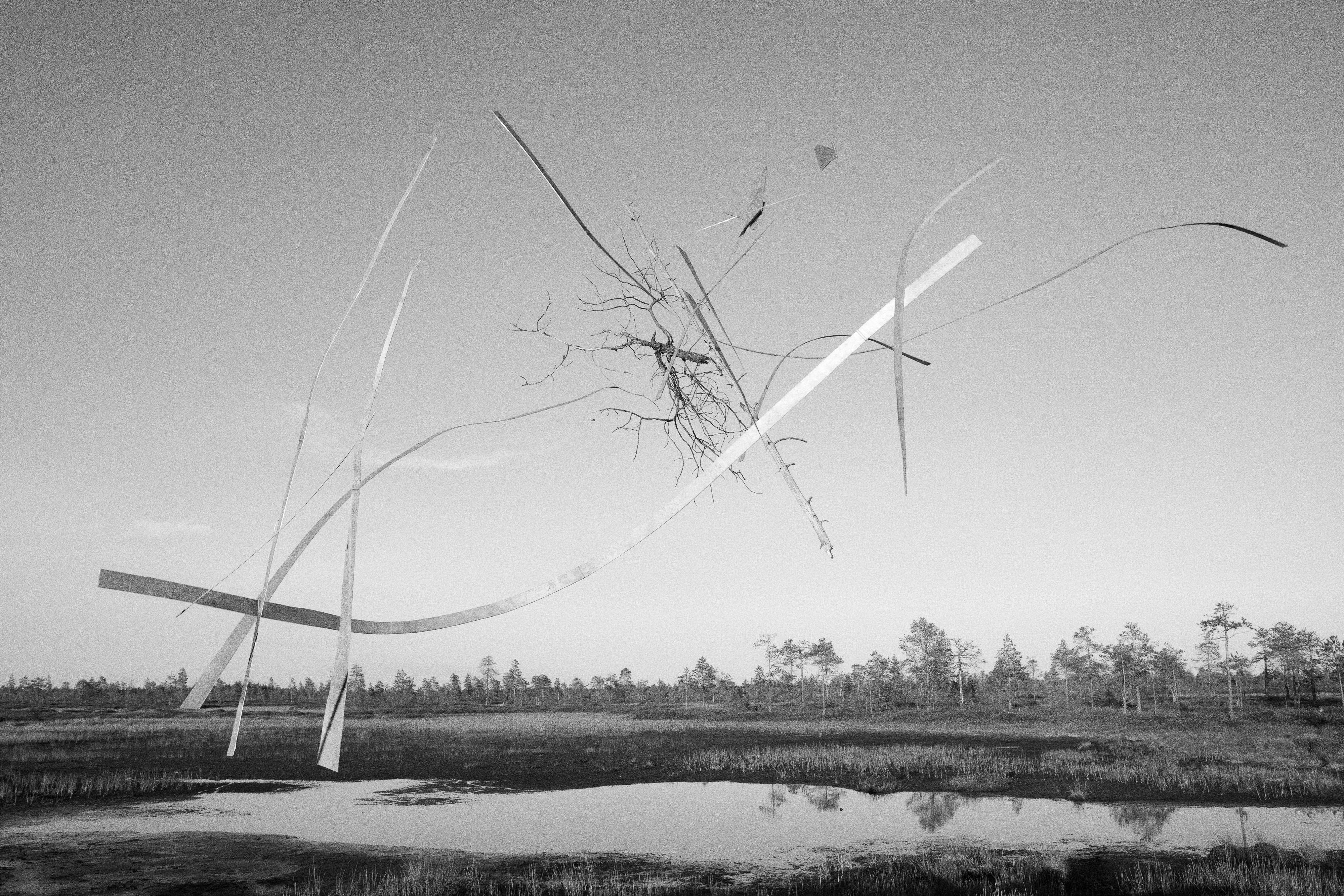
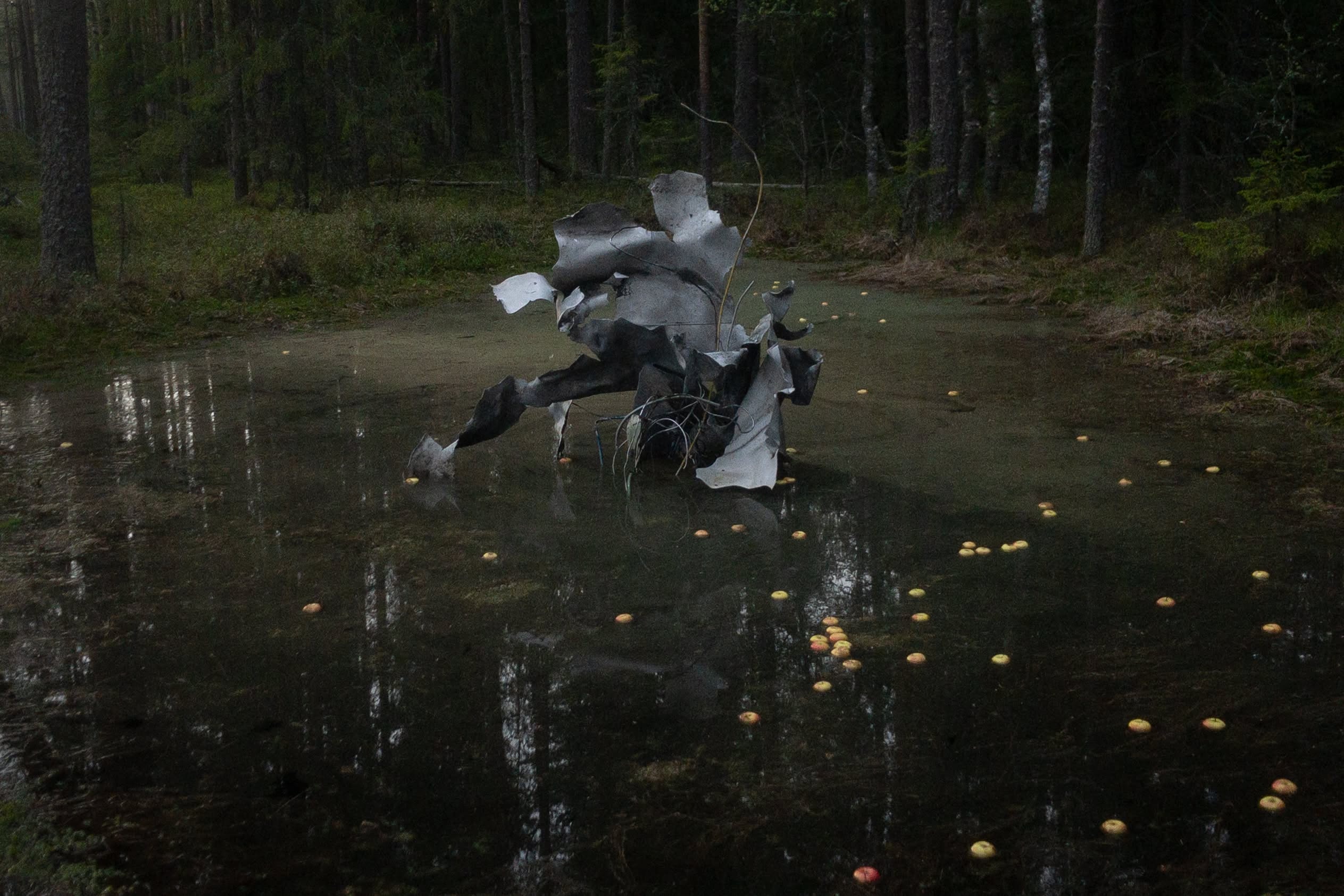
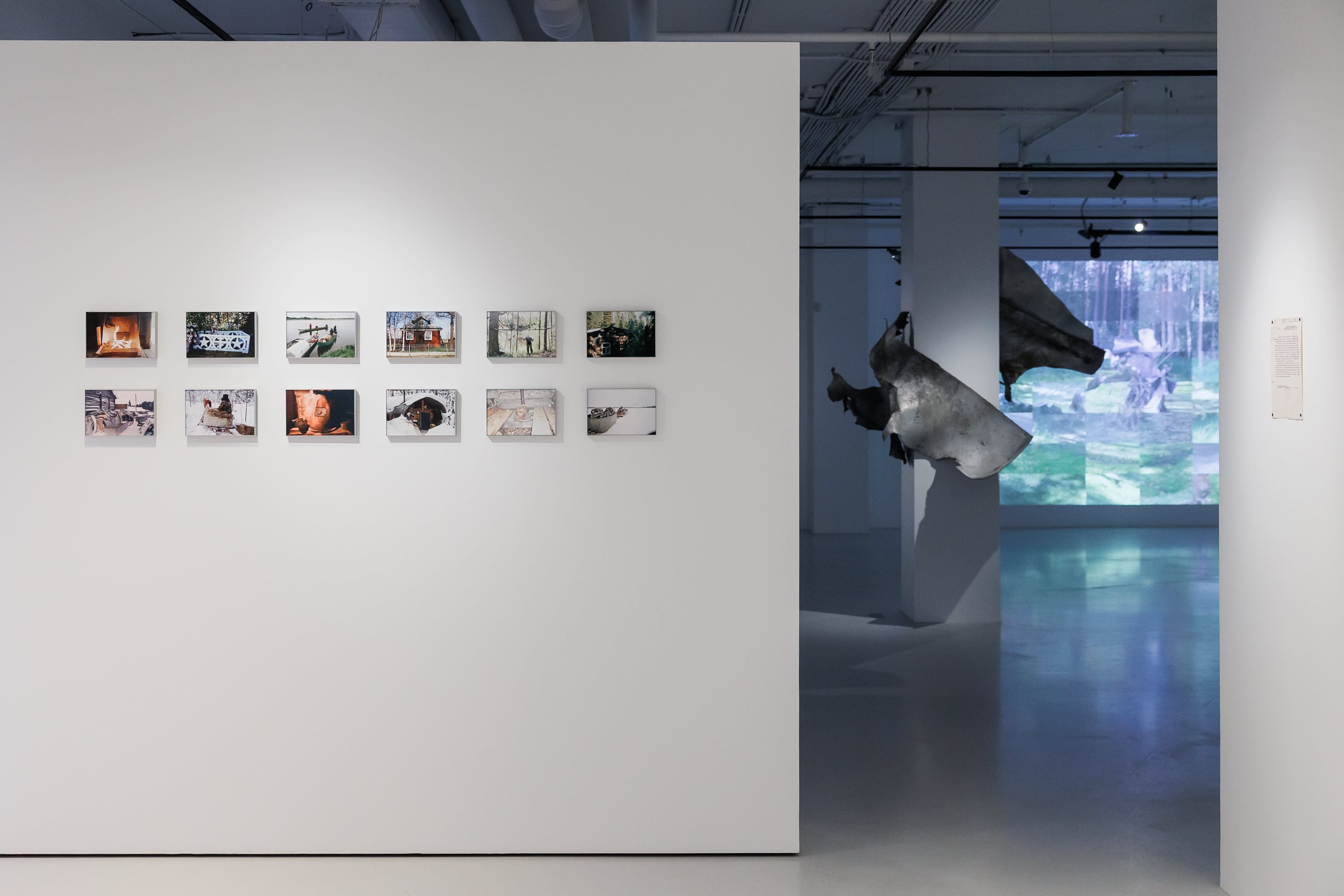
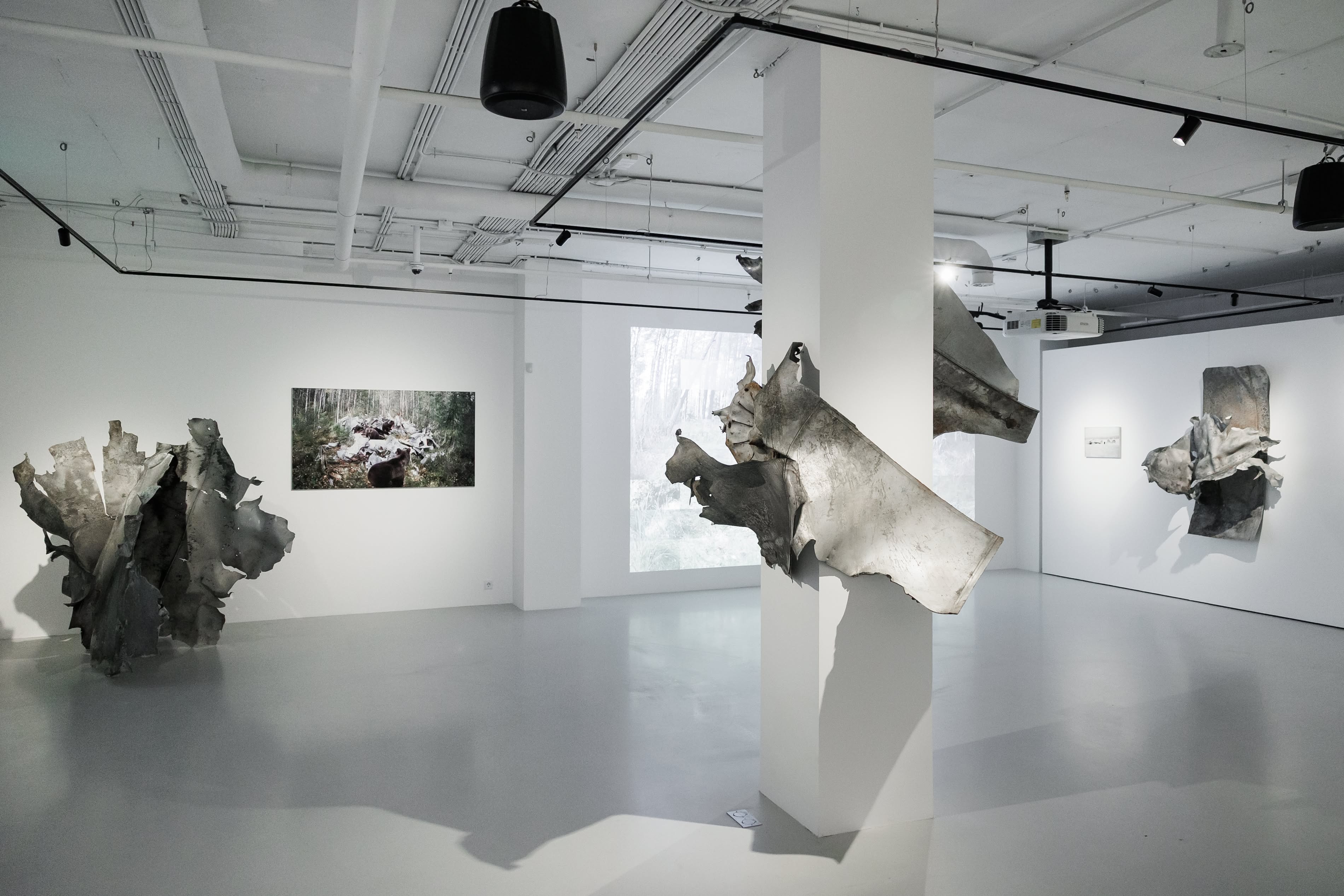
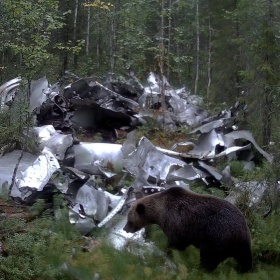
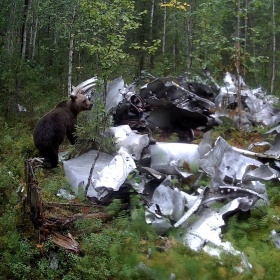
The project team has continued this local tradition of working with rocket metal, now transposing it to the realm of contemporary art. Through field-based research the artists Igor Elukov and Polina Timofeeva, together with anthropologist Makar Tereshin, have investigated the history of this practice of harvesting rocket remnants. Following in the footsteps of hunters, the artists ventured into fallout zones to locate fragments of Voskhod launch vehicles – one of the early models used in the USSR from 1963 to 1976. This recovered debris became the basis for a series of site-specific installations. The artists placed objects at locations where animal paths intersect with rocket trajectories, installing camera traps to capture the random interactions of nature and metal.
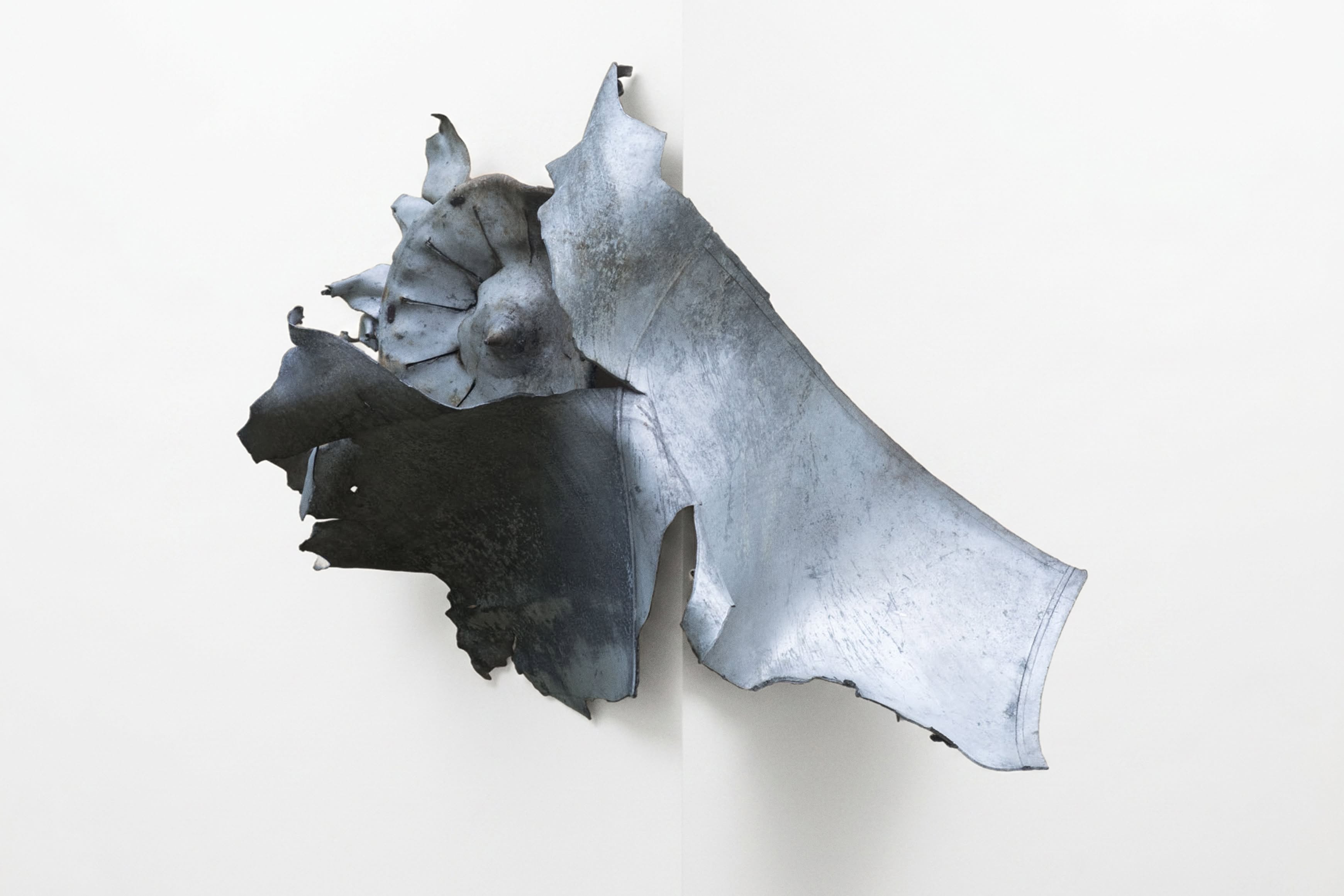
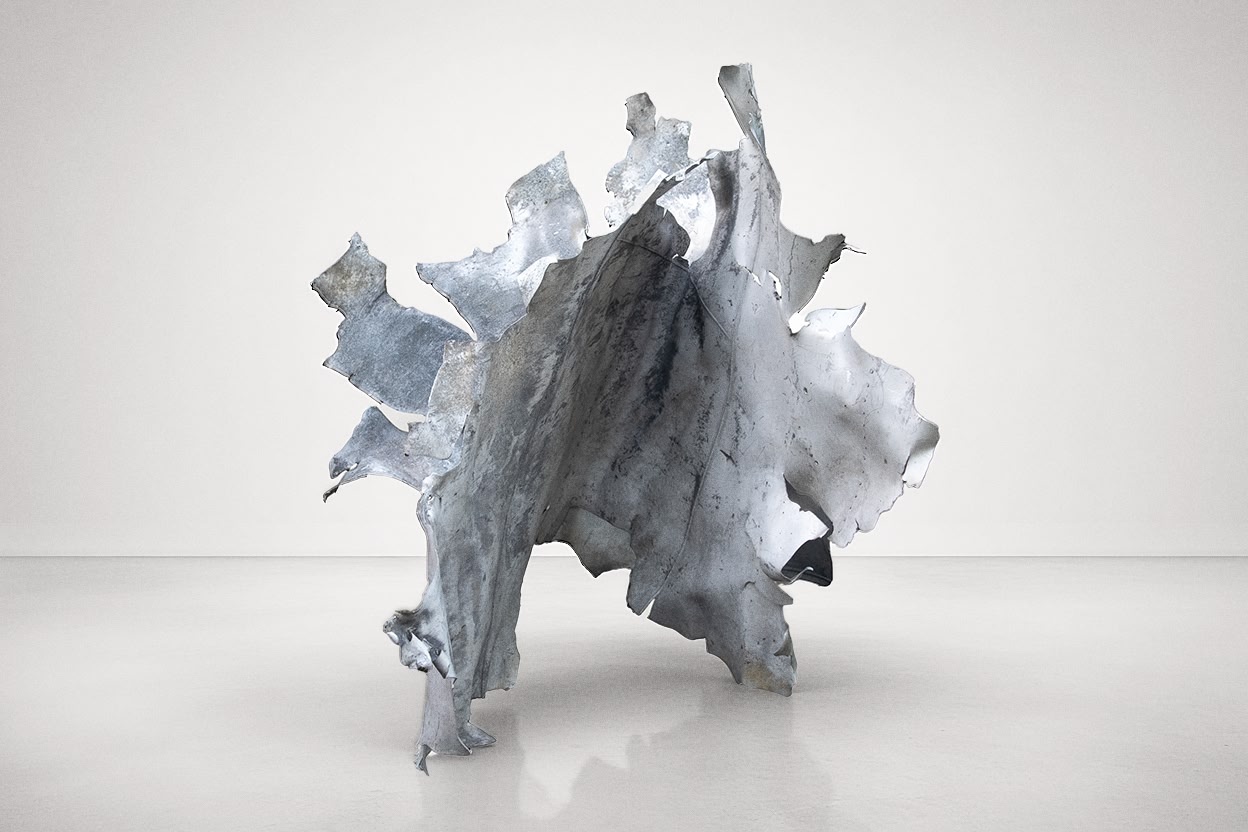
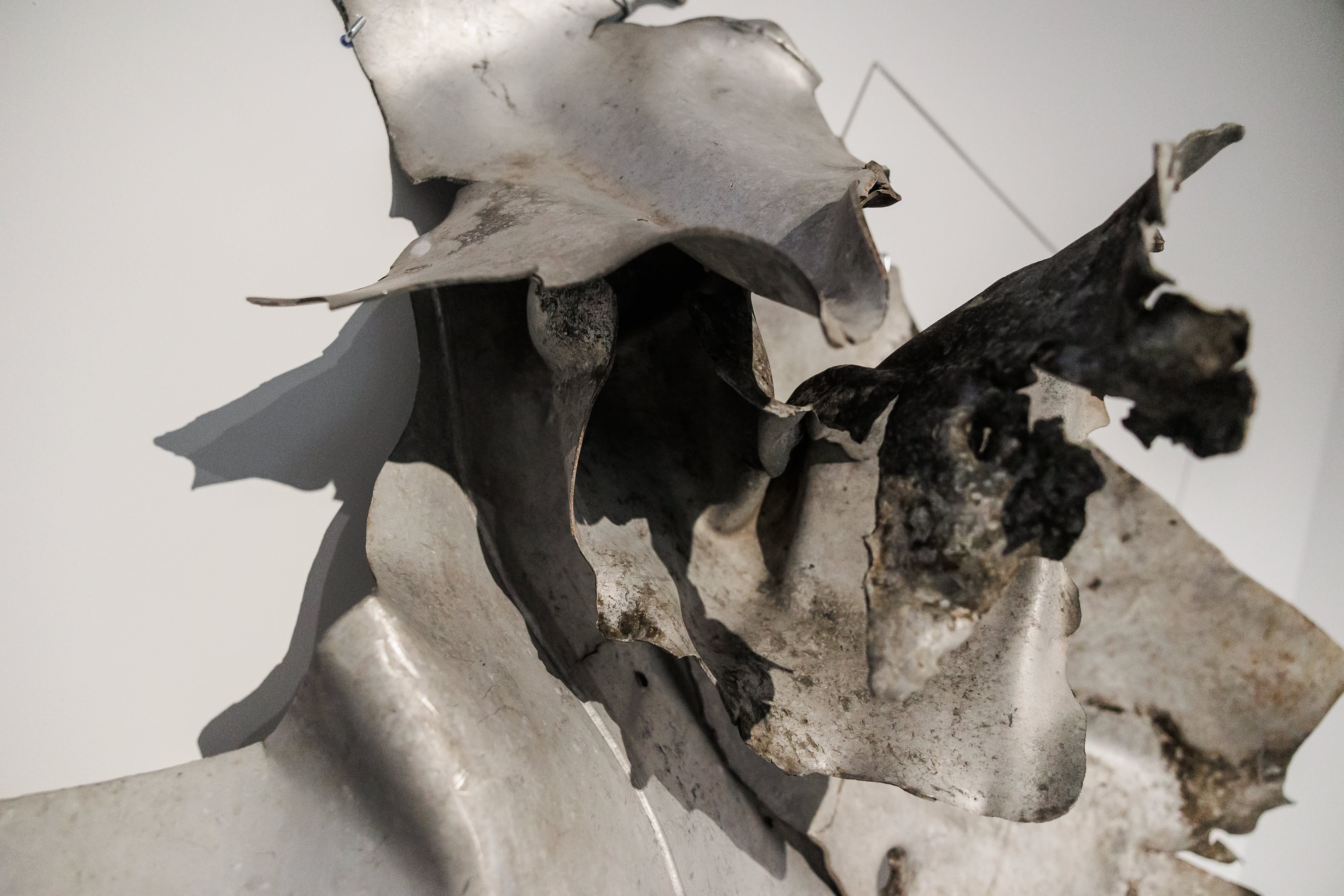
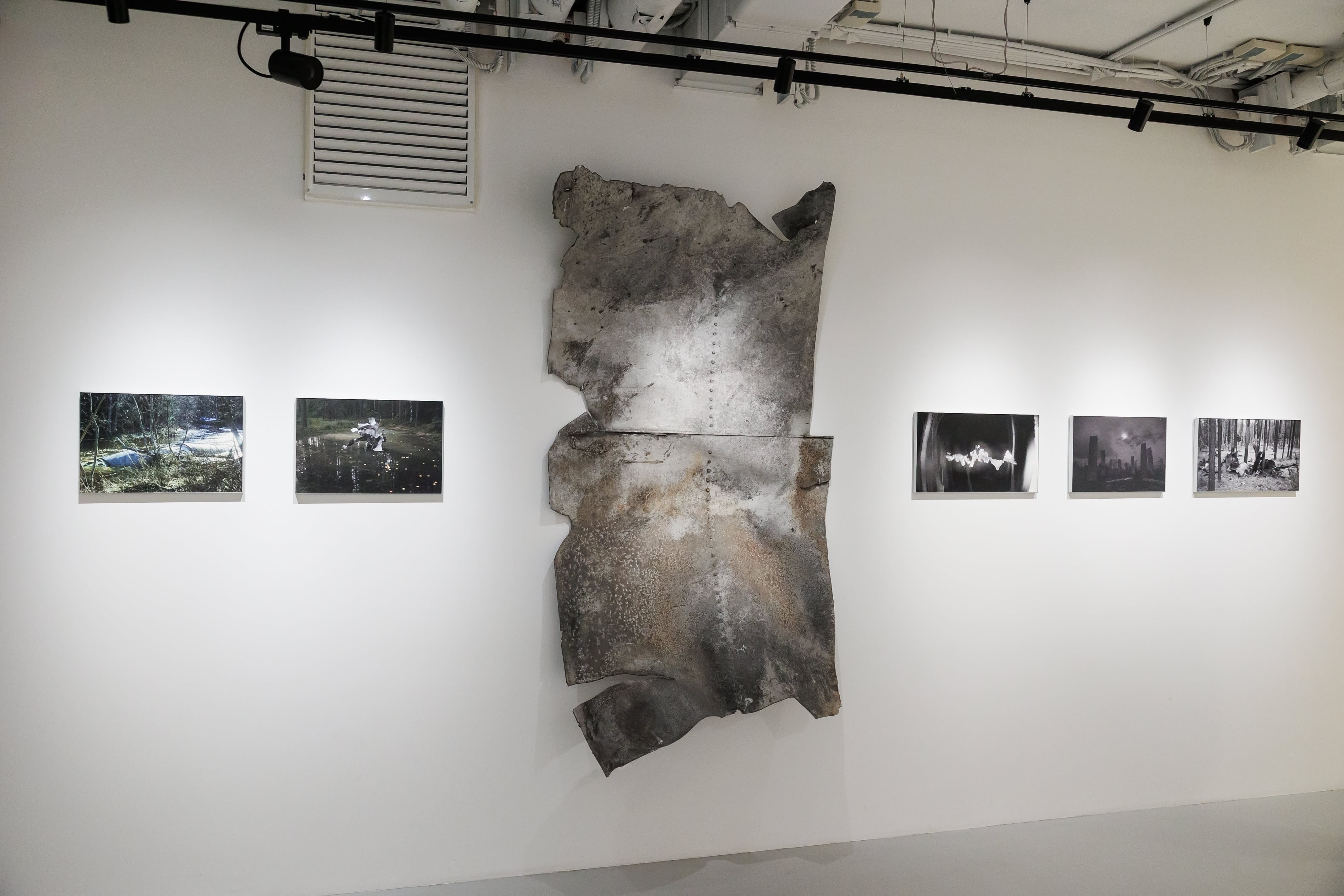
The exhibition at the Ruarts Foundation will feature objects made of space metal and gathered by the artists in the impact fields, along with video art and a series of archival, documentary, and staged photographs. “The majority of the objects are what we call ‘ruptures’ – pieces of fuselage skin that were mangled upon impact and subsequently altered by the passage of time and by human technology. That results in a vast array of forms. By respecting the material’s inherent plasticity we preserve these unique characteristics, intervening only minimally in the process,” the artists explain.
Hence the project alters the usual perspective on space. Amidst contemporary discourse on space debris, sustainability and the cost of technological progress, the project draws attention to events unfolding not in abstract ‘outer space’, but here on Earth, where debris returns after every launch. This is an artistic exploration of a specific social geography, encompassing its routes, economy, local knowledge and consequences.
The film documenting the emergence of this new form of scavenging, ‘Fallout Zones’, was awarded a Grand Prix at the 35th Message to Man International Film Festival in October 2025.
The exhibition was realised with the support of the PENNLAB Gallery, which represents the artists Igor Elukov and Polina Timofeeva.