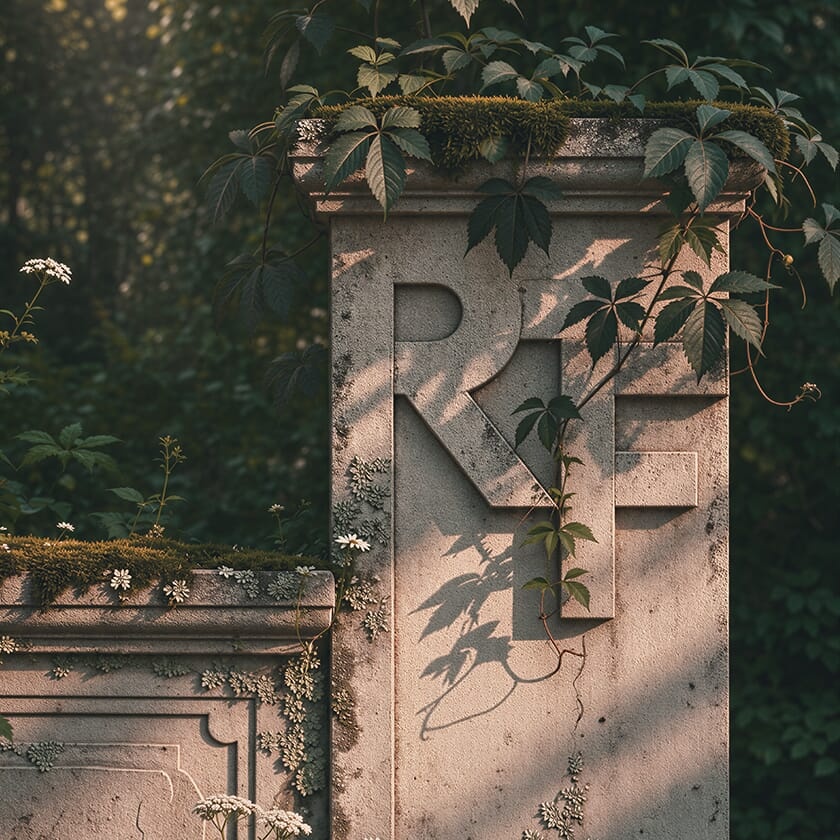
THE TRIUMPH OF MELANCHOLY
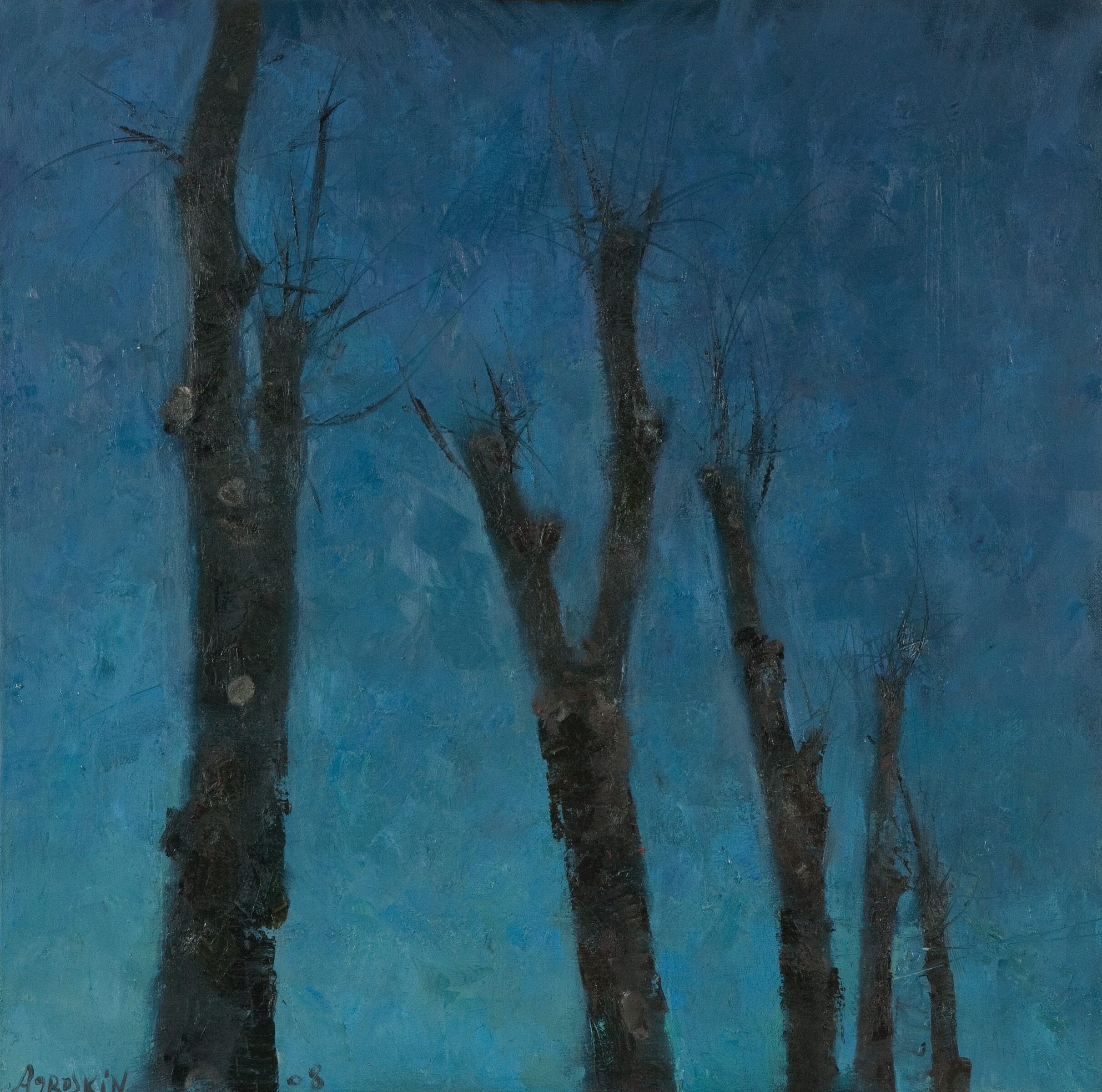
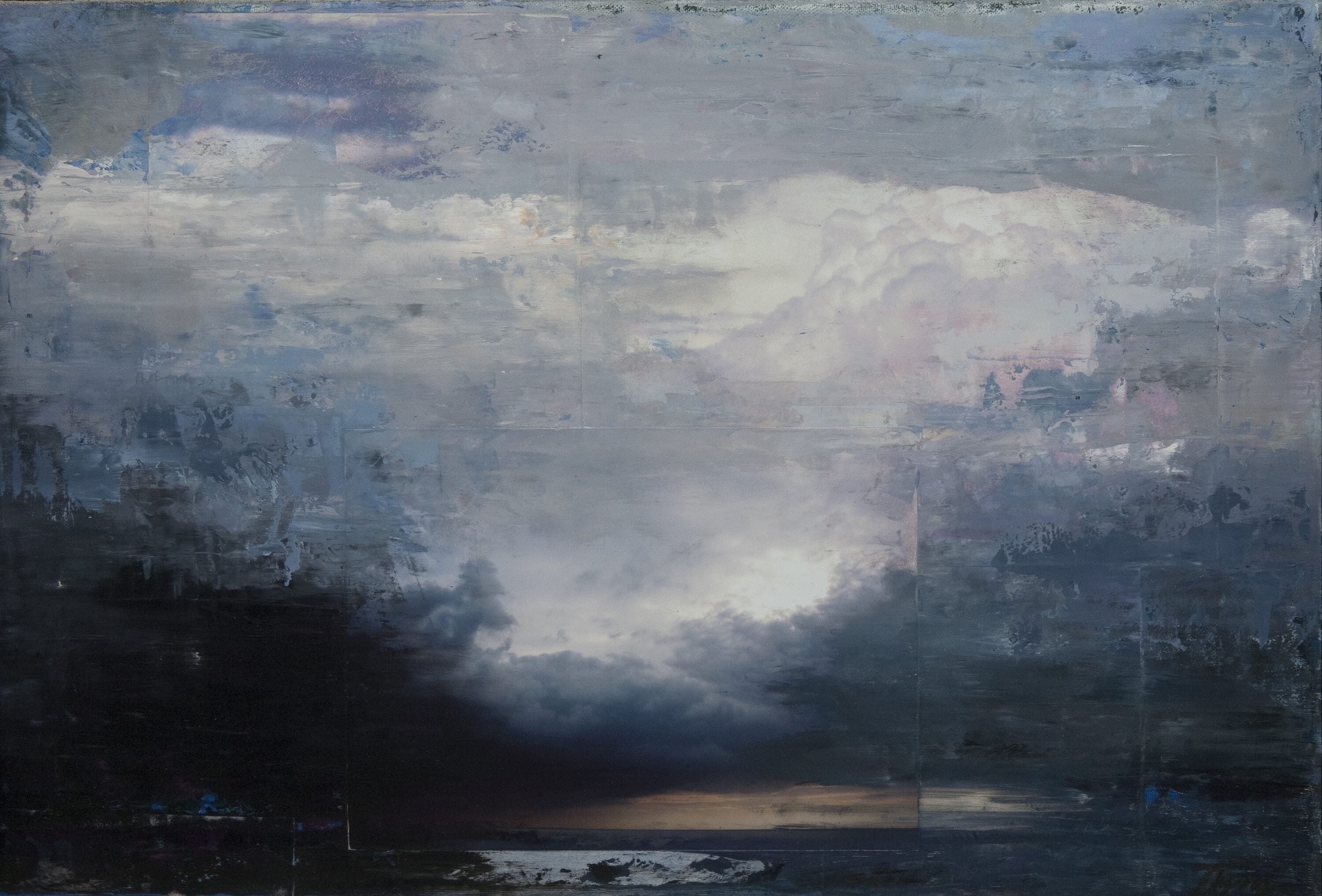
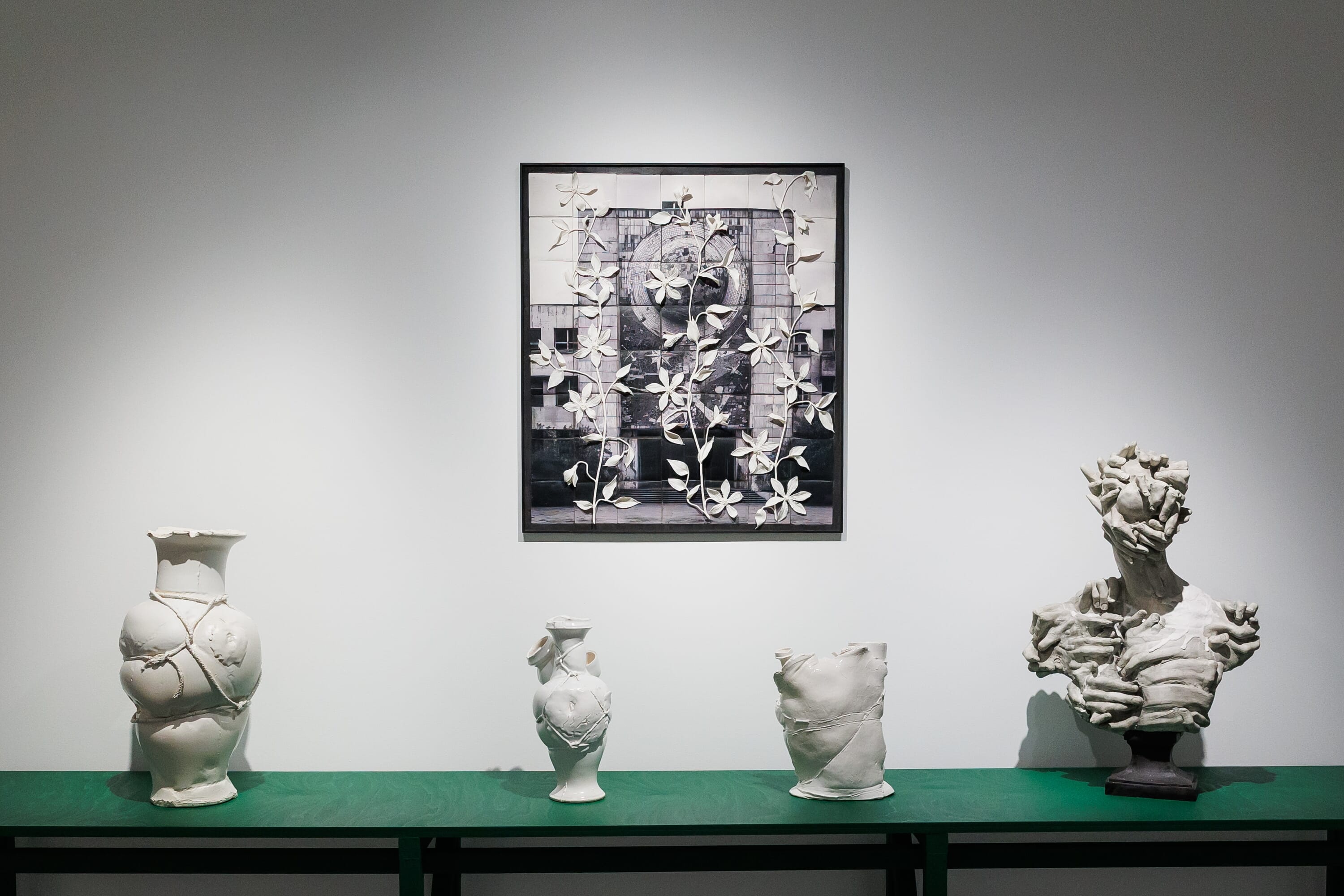
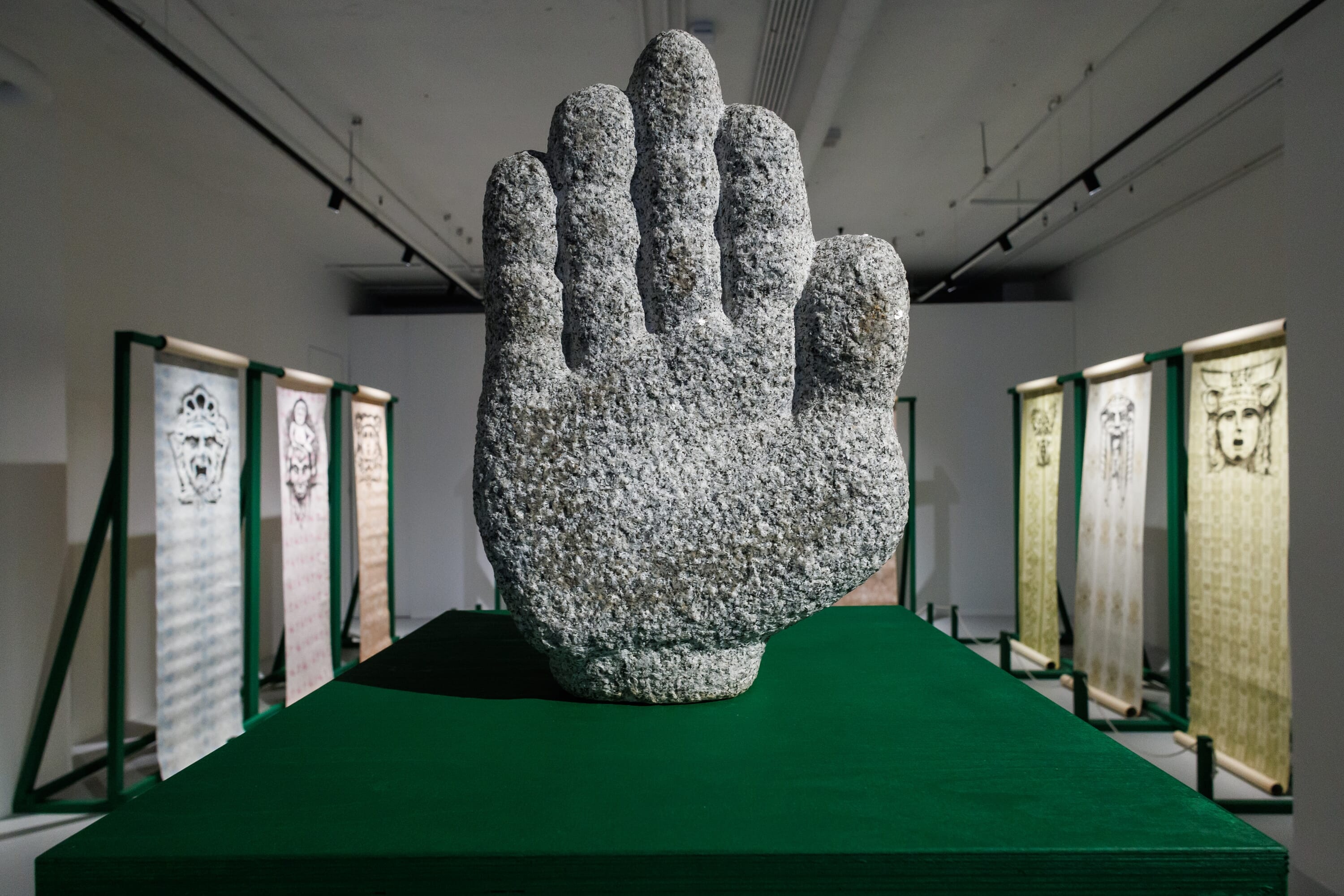
The Ruarts Foundation presents a new, large-scale, philosophical and artistic project, ‘The Triumph of Melancholy’. This exhibition restores melancholy to its true depth, lost in modern language, where it is reduced to fleeting sadness. The title reveals itself as an oxymoron. Triumph, which belongs to the lexicon of celebration, victory and jubilation, acquires a quiet hypostasis. It is a victory without gesture, a triumph without noise, sunset as an apotheosis. Melancholy is not opposed to triumph – this is its hidden, deeper modality.
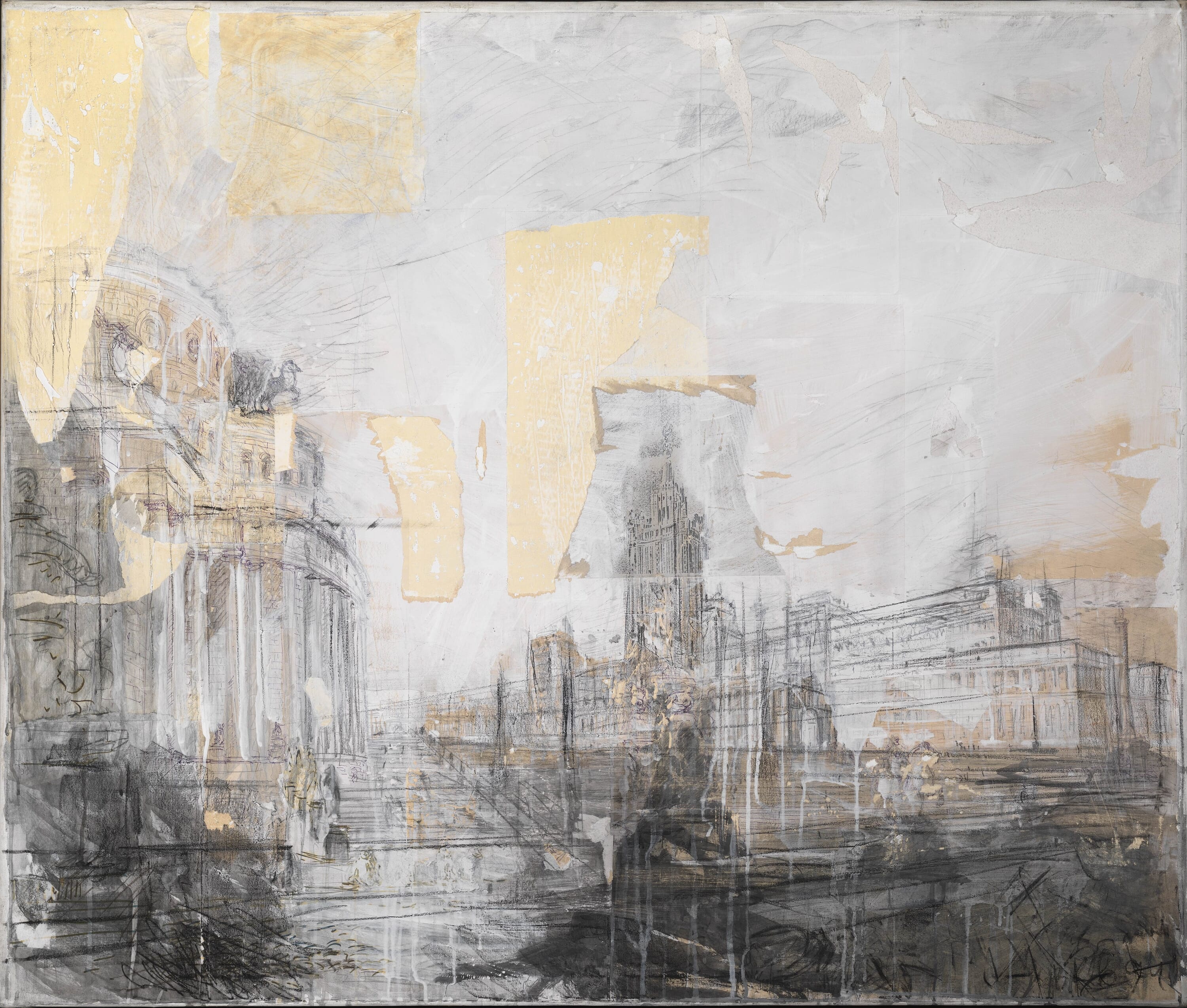
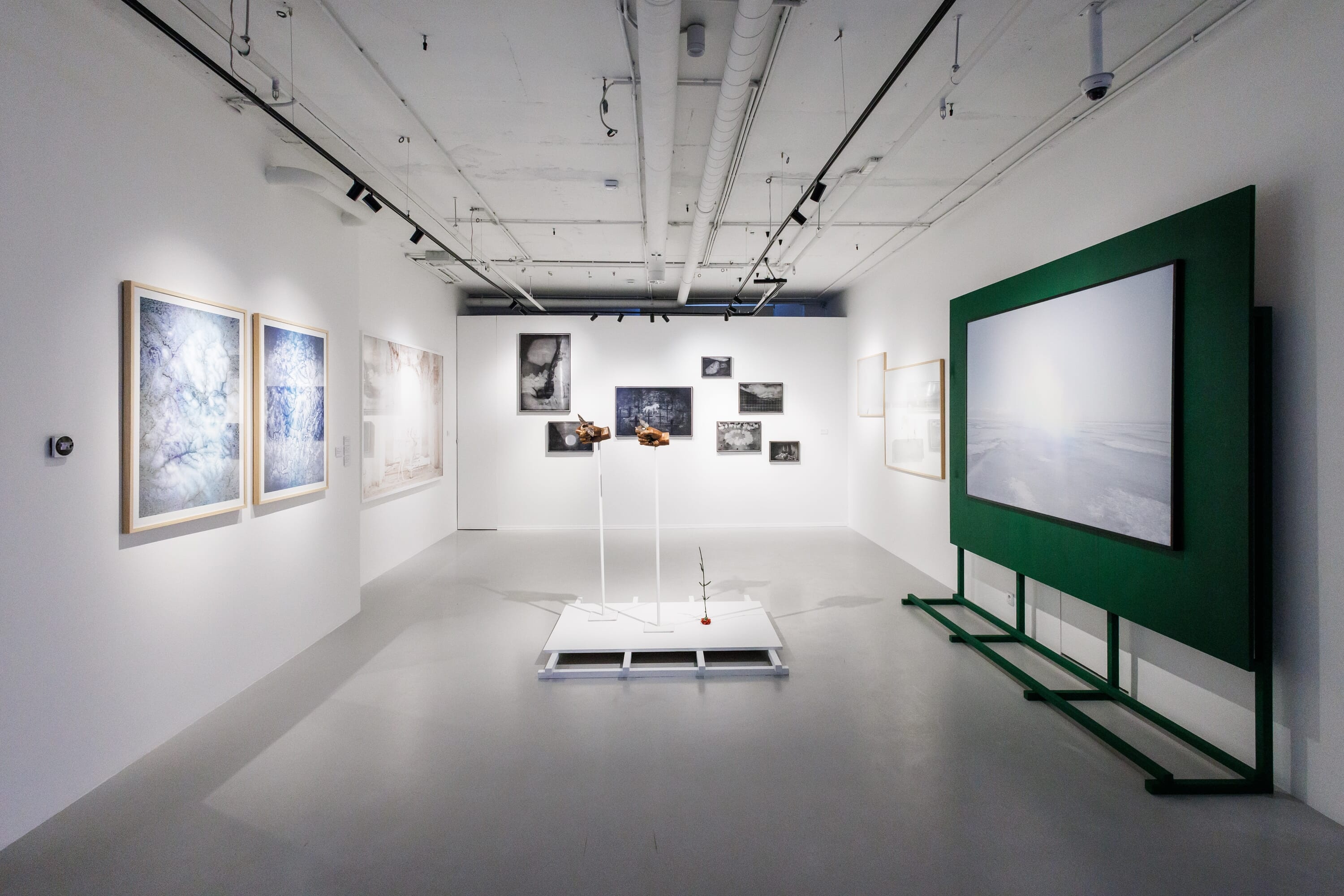
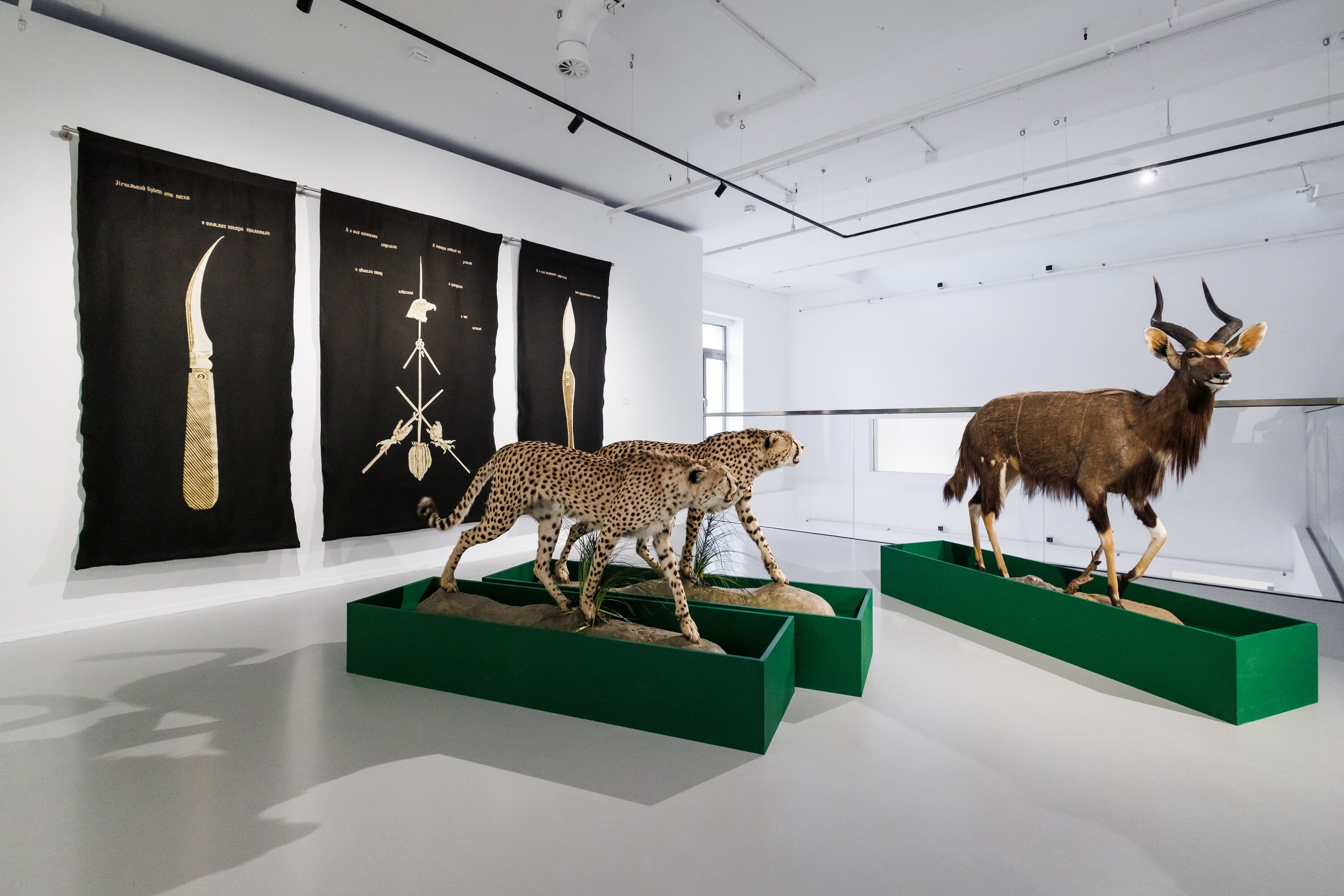
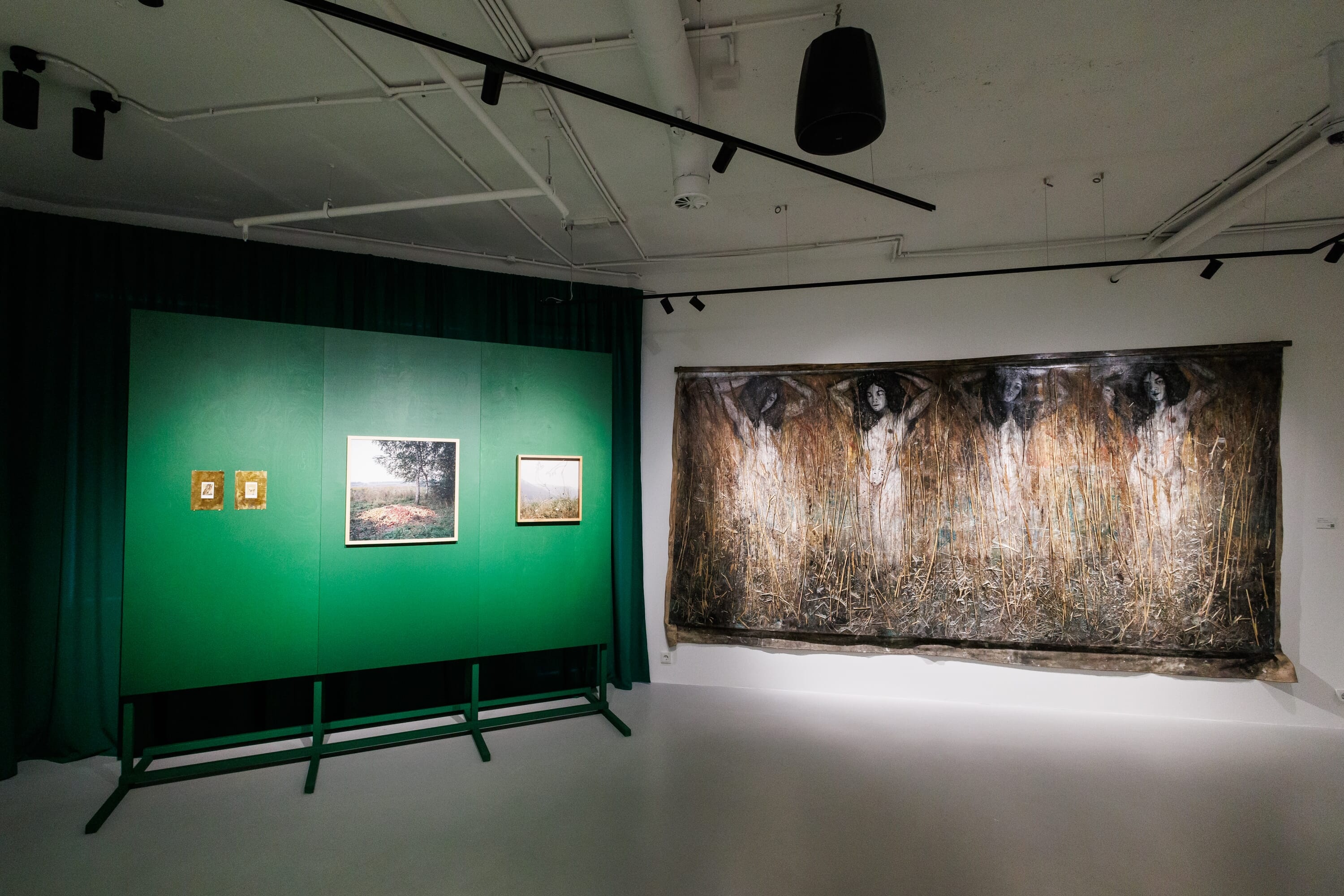
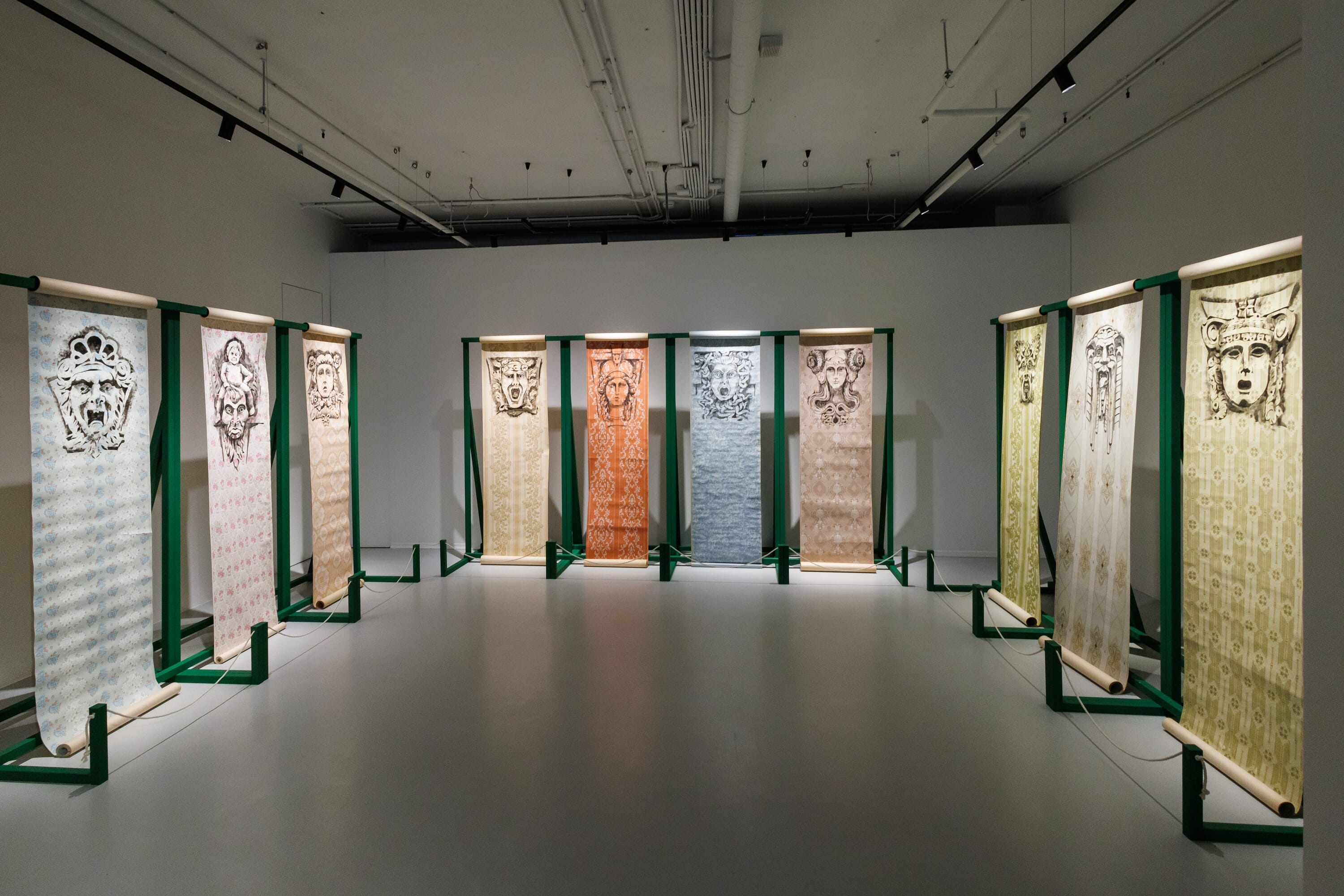
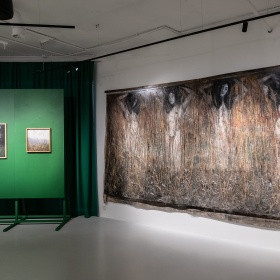
The idea is developed by more than 30 contemporary artists represented in the exposition, which is based on works from the collection of the Ruarts Foundation, as well as museums and private collections. Among them are Olga Bozhko, Sergei Borisov, Alexei Veselovsky, Georgy Guryanov, Pyotr Dyakov, Valery Koshlyakov, Vitaly Pushnitsky, Mikhail Rozanov, Igor Samolet, and many others.
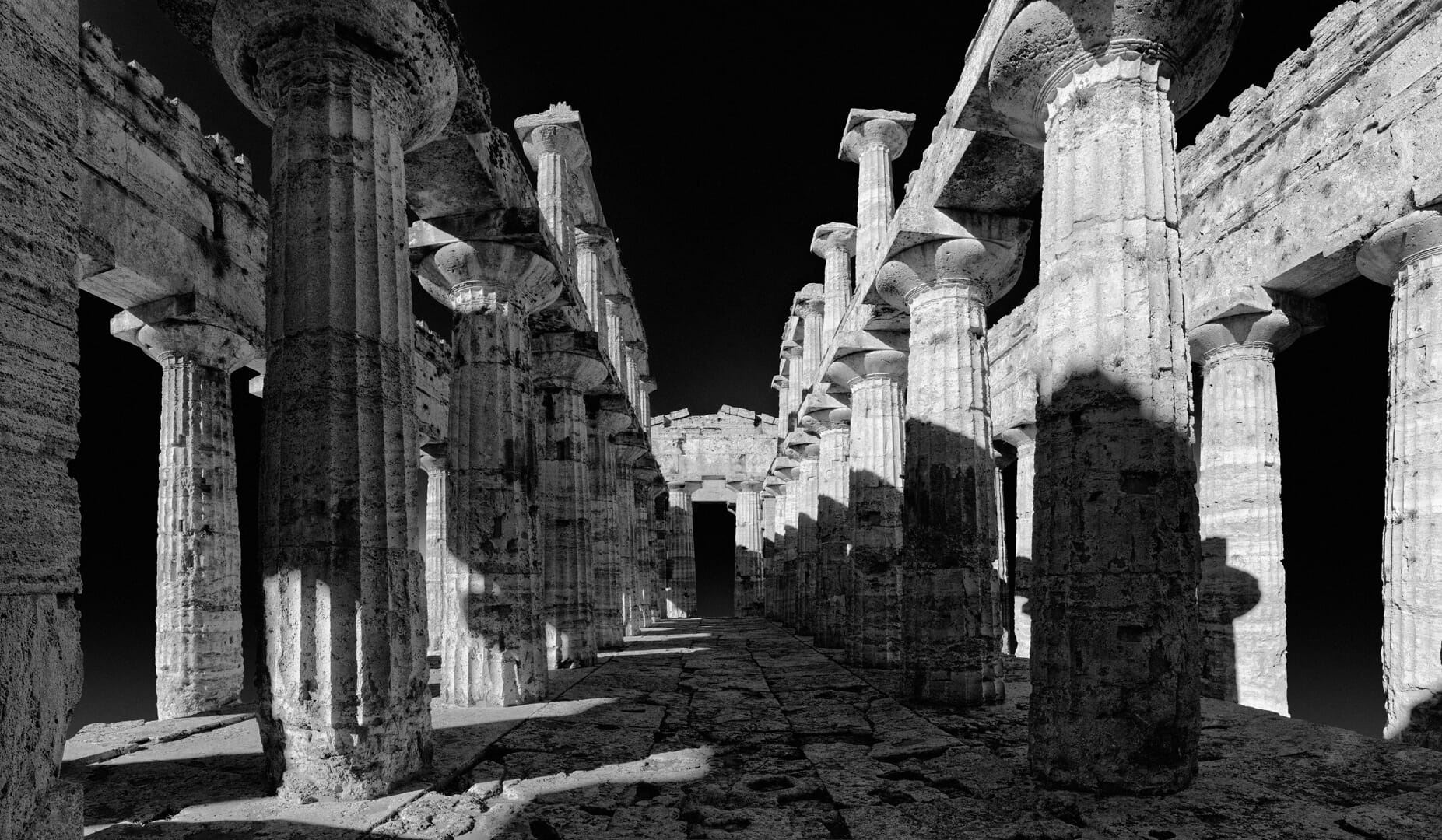
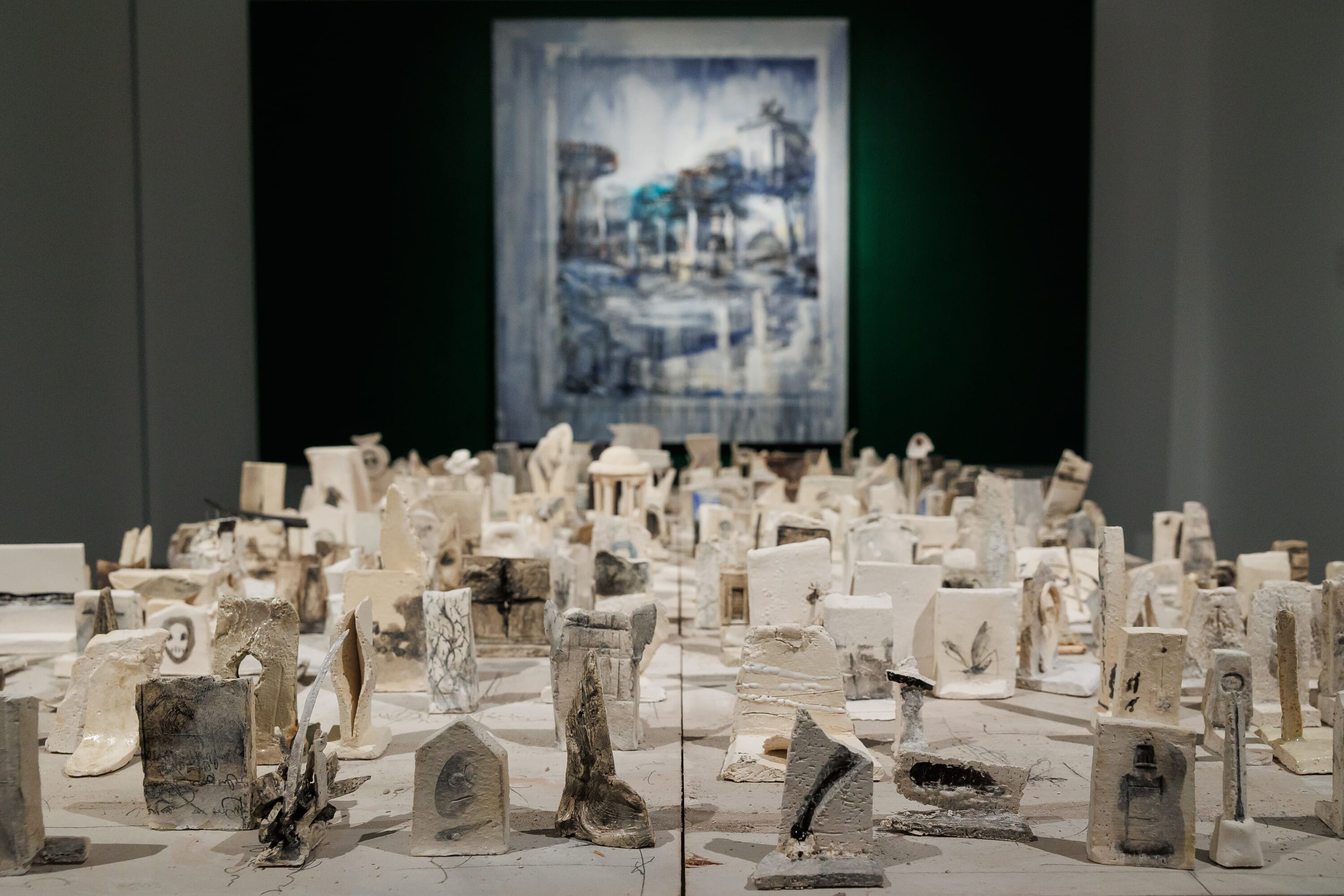
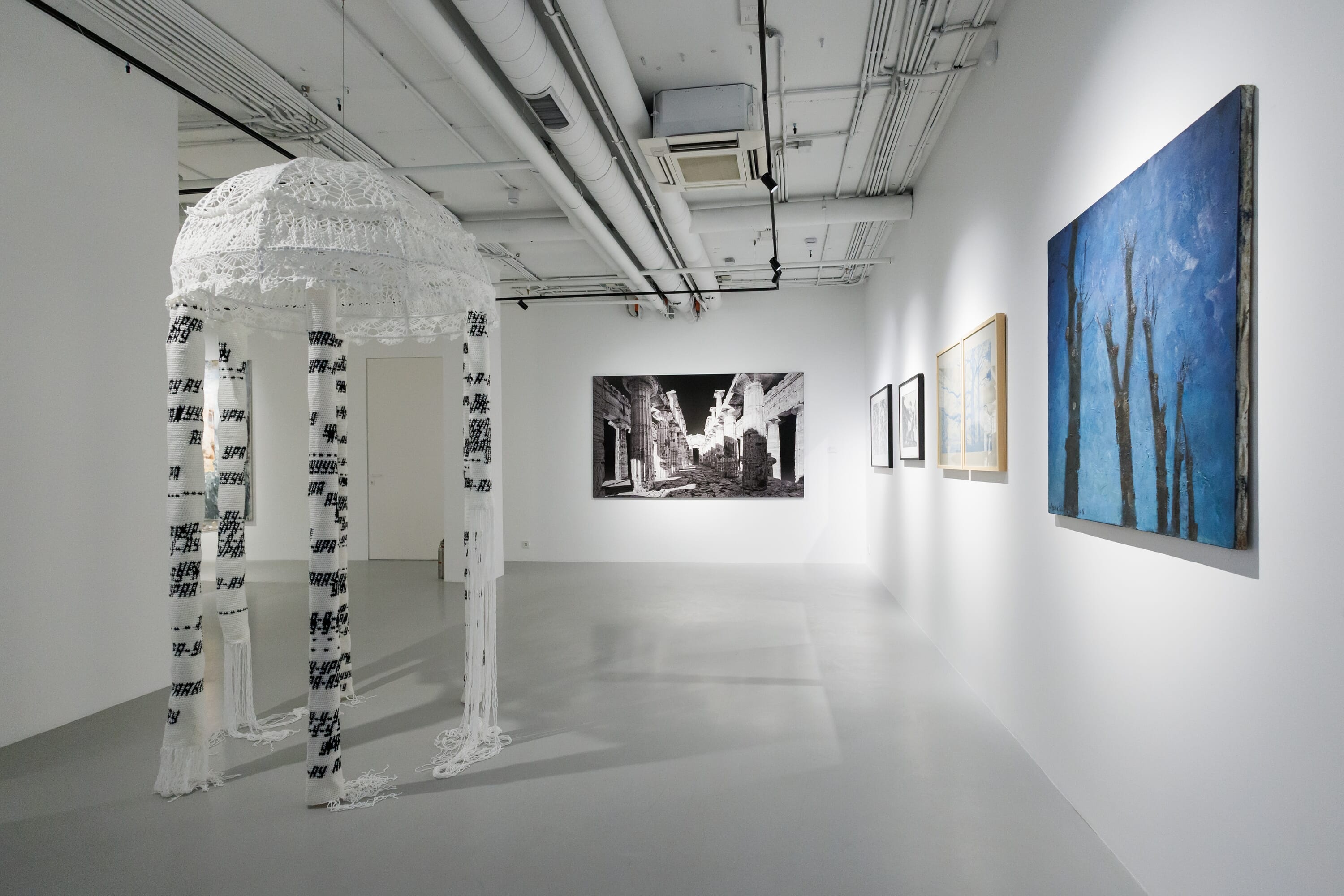
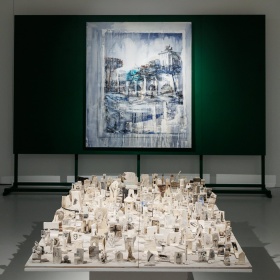
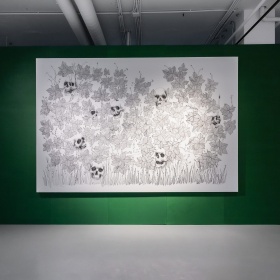
Melancholic feeling is invariably associated with the experience of ruins – the acceptance of something once whole and complete that has become subject to time. The exhibition will feature part of the large-scale multi-genre project ‘Northern Arcadia. A Projection of Paradise’ by Sergey Sonin and Elena Samorodova, which defines the architectonics of ‘The Triumph of Melancholy’. ‘Arcadia’ appears as a space ‘after everything’ – a world filled with fragments of bygone eras and the last evidence of men who were once present, then vanished. “The transience of man is not a curse, but a condition of beauty. It is precisely because we are mortal that the sunset over ruins makes our hearts ache,” concludes the curator of this exhibition, Nina Gomiashvili.
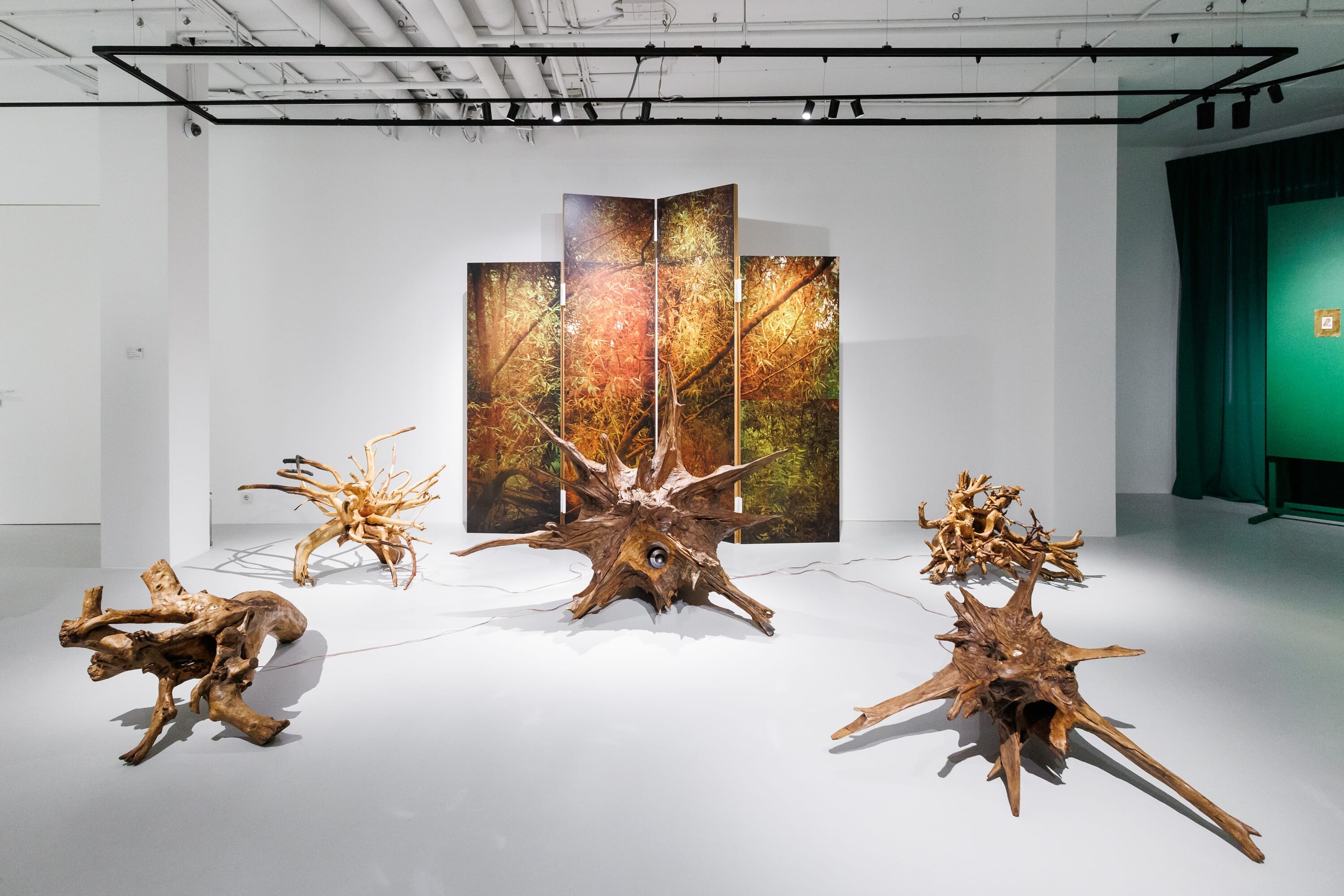
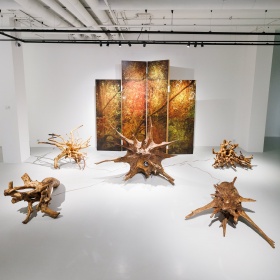
The exhibition’s semantic vertical is set by another work from Sergey Sonin and Elena Samorodova from the ‘Utopia and Uchronia’ project – the image of a ‘living order’ in which form is conceived as a continuation of natural processes. Addressing the idea of an agro-cosmos, the artists present a model of a world where architecture does not need to be built; it draws strength from the earth and grows on its own, slowly, from within, like a living body. Through melancholy you become a witness to this triumph of nature, which triumphs quietly, without violence, gradually reclaiming space through time.
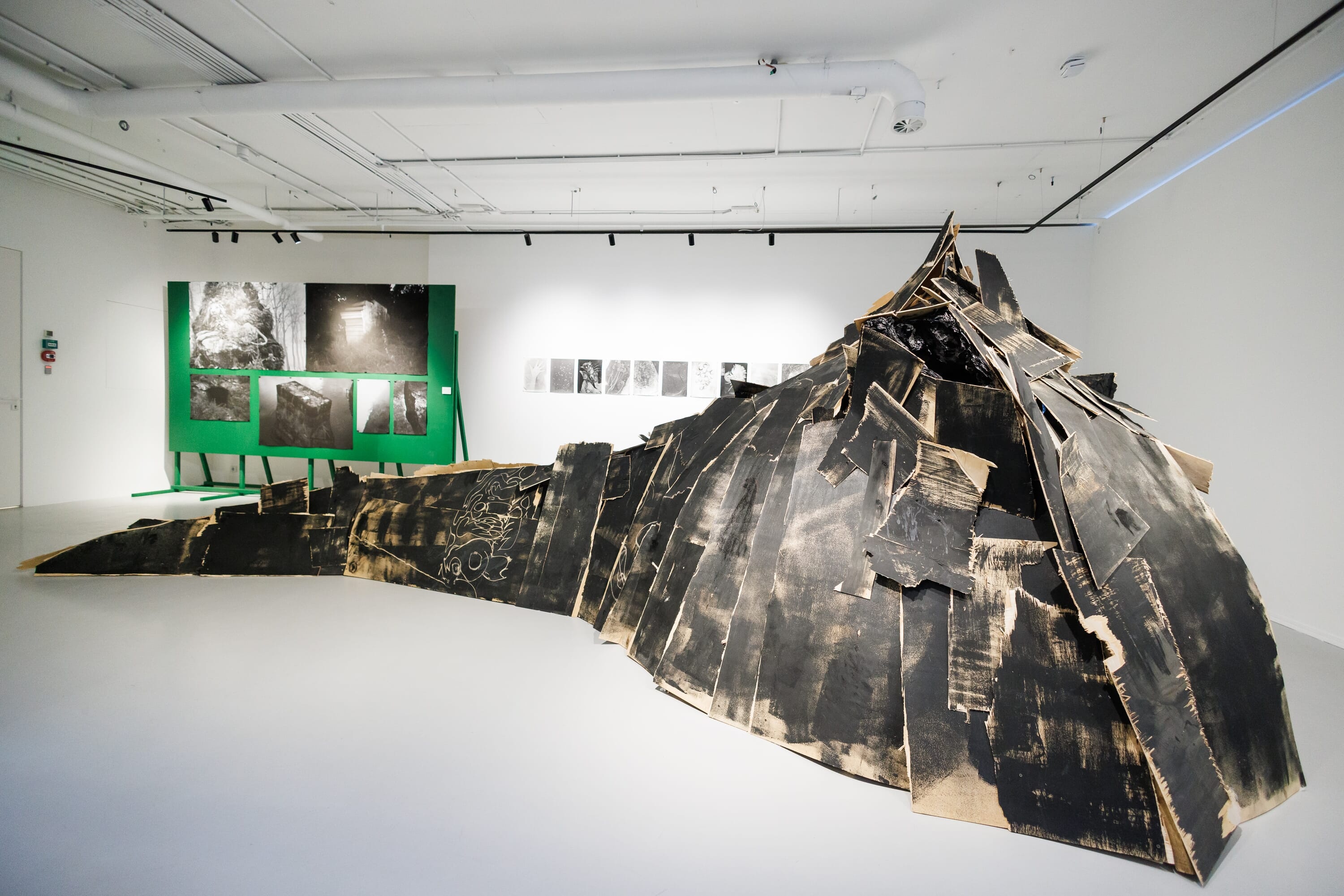
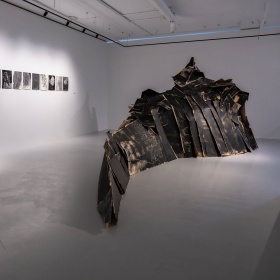
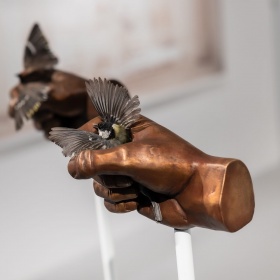
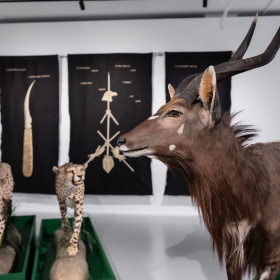
Seven works were created specifically for ‘The Triumph of Melancholy’, including an exhibit by Danya Pirogov that addresses the theme of inner shelter and the ultimate form of solitude. Hidden within the wooden shell is a white concrete cocoon – a closed structure in which architecture is reduced to the archetype of a burrow. Katya Isaeva’s installation, inspired by the world of the Strugatsky brothers, unfolds melancholy as a post-factum state. The Scientific Research Institute of Witchcraft and Thaumaturgy has closed, and the objects of taxidermist Cristobal Josevich Junta are up for auction. In the silence of shelves containing preserved souls, melancholy celebrates its absoluteness.
In an era of diffused attention, when experience is compressed into brief impulses, melancholy introduces an ethic of pause, returning the continuity of experience to the individual. In the exhibition space the viewer is granted the rare right to be: to observe, to breathe, to let emotions slowly flow inside. This leads to the triumph of a complex, multifaceted feeling over reduced outbursts of joy, horror, or excitement. And the exhibition affirms its value by introducing a different temporality – slow, almost imperceptible, like ivy growing on a stone surface.